Graphic Apparel Trends That Actually Mean Something
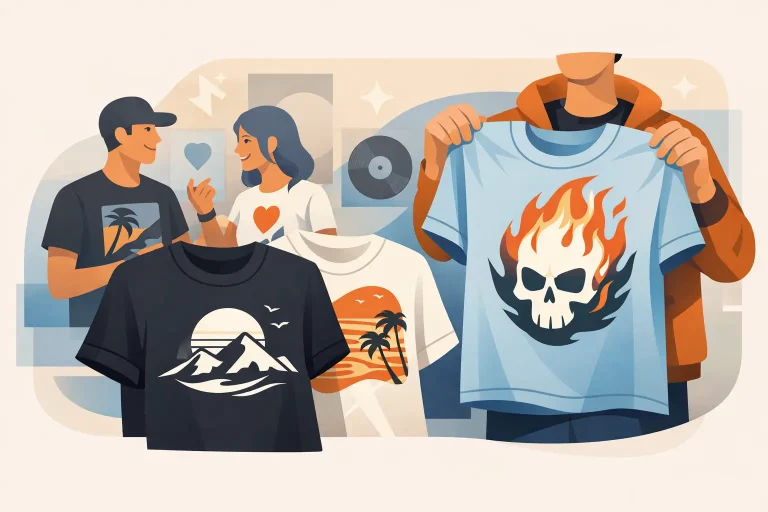
A graphic tee used to be an easy grab from the closet. Now it does more than fill space in a drawer. The strongest graphic apparel trends are moving toward something more personal – clothes that show what matters to you, where you come from, and the kind of life you live when nobody is watching.
That shift matters if you care about more than hype. For folks who spend weekends in the woods, on the water, around a fire, or with family and friends, graphic apparel is not about chasing whatever a fashion account says is hot this month. It is about wearing something that feels true. When a hoodie or tee carries the right message, it does not just look good. It represents your values, your roots, and your way of life.
Why graphic apparel trends are changing
A lot of trend cycles burn out because they are built on novelty alone. Loud design for the sake of loud design gets old fast. What is replacing it is meaning. People still want strong visuals, but they also want a reason behind them.
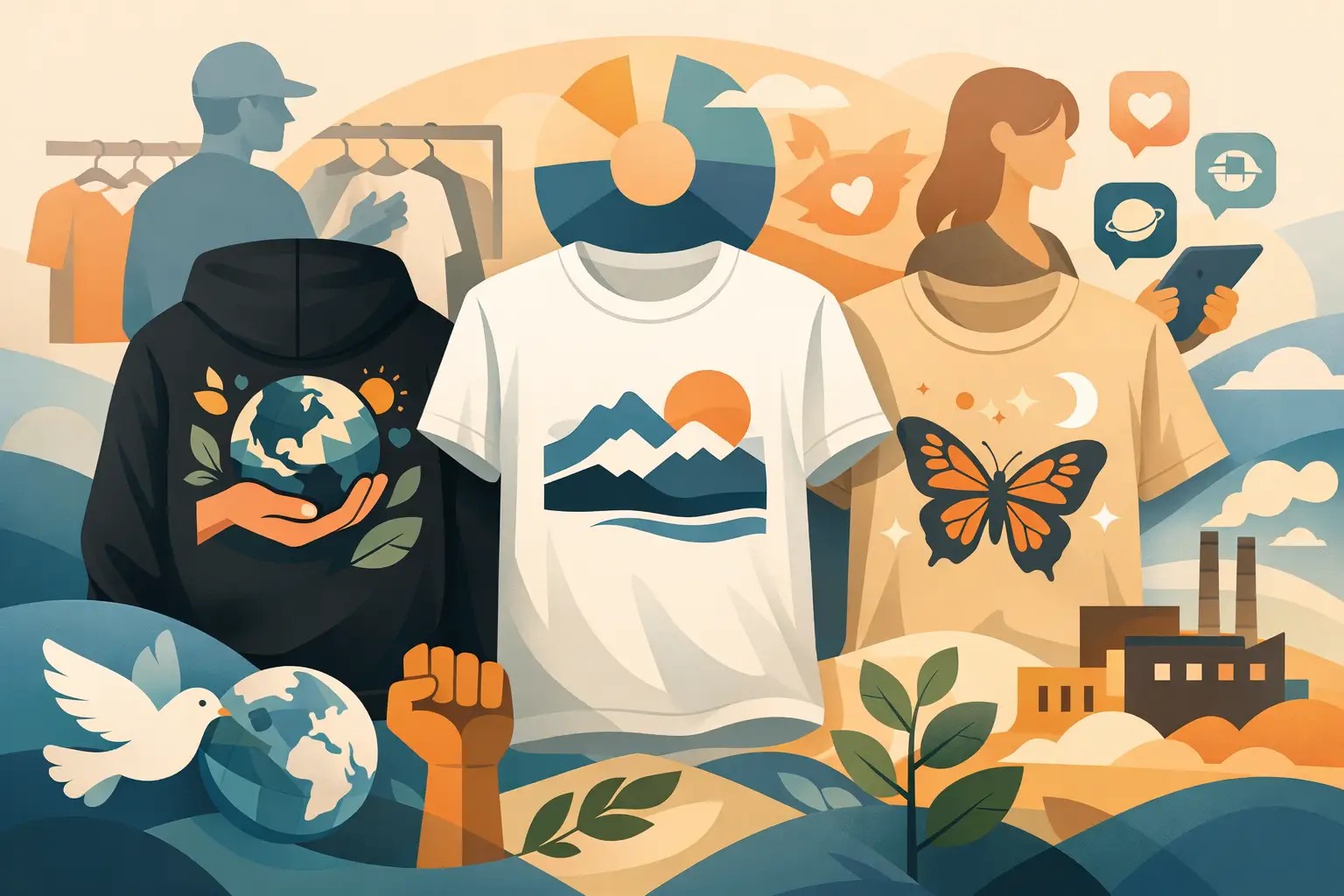
That is why you are seeing more designs tied to identity-driven themes like patriotism, family, faith, outdoor life, military support, and regional pride. These are not random graphics pulled from a trend board. They connect to real communities. That connection gives the apparel staying power.
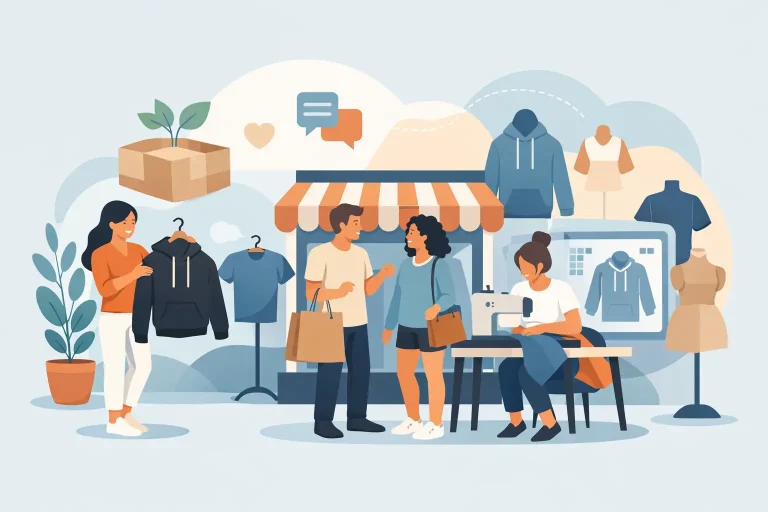
There is also a practical side to this shift. Most people are not building wardrobes for runways or curated social feeds. They want pieces they can throw on for a morning coffee run, a fishing trip, a backyard cookout, or a Friday night with friends. Graphic apparel works best when it fits everyday life, not when it feels like a costume.
The graphic apparel trends people are actually wearing
The biggest movement right now is away from disposable graphics and toward wearable statements. That does not mean every design has to be serious. It means the design should feel rooted in something real.
Outdoor culture is leading the way
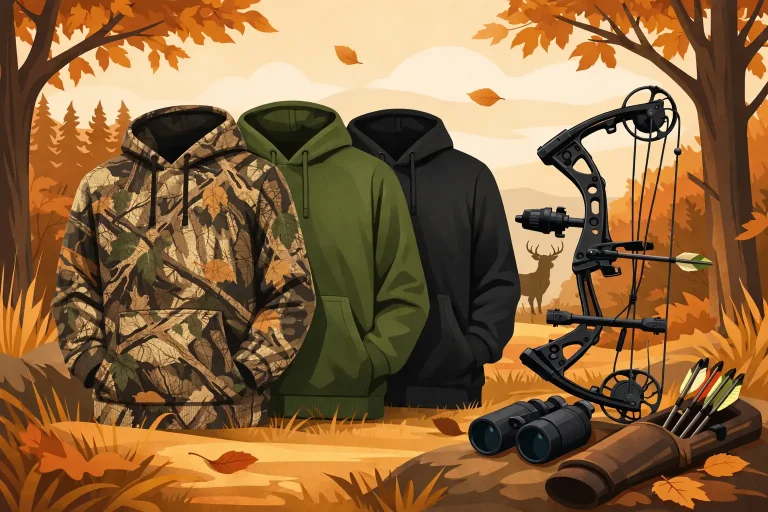
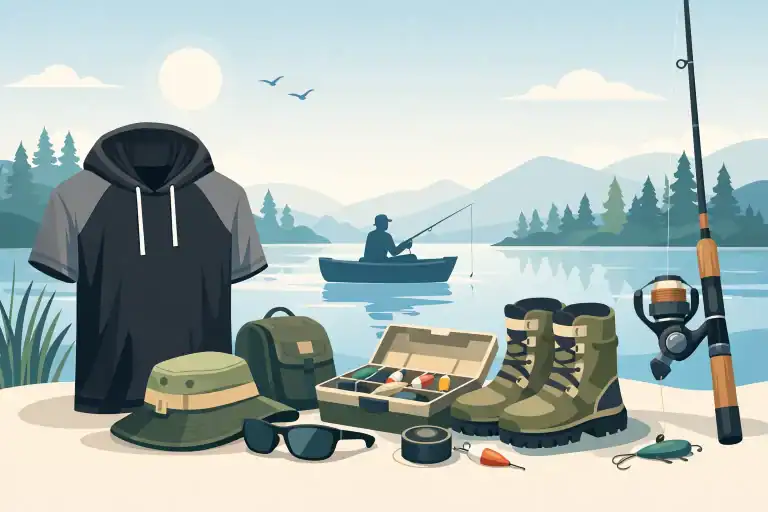
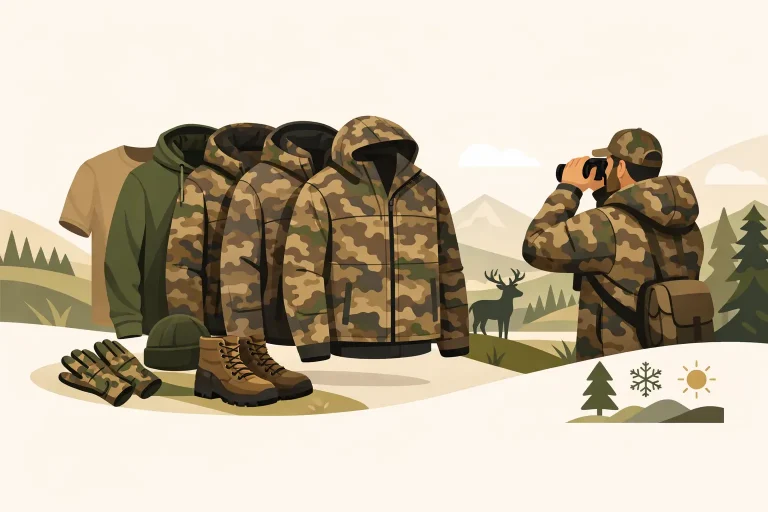
Hunting, fishing, camping, and backwoods living have always had a visual language of their own. What is different now is how clearly that lifestyle is showing up in everyday apparel. Clean deer silhouettes, bowhunting references, mountain scenes, weathered flags, lakeside imagery, and camp-inspired typography are all resonating because they reflect a life people already live.
The best versions of these designs do not overcomplicate things. They are bold enough to stand out, but simple enough to wear anywhere. A shirt that nods to the outdoors should still feel right at the hardware store, the diner, or the family barbecue.
Patriotism is becoming more personal
Patriotic graphics are not new, but the tone is shifting. Instead of generic red, white, and blue overload, more people are choosing designs that feel earned and grounded. Distressed American flags, veteran-support graphics, old-school Americana lettering, and subtle nods to national pride are connecting because they feel less like decoration and more like conviction.
That matters. People who wear patriotic apparel often are not trying to be flashy. They are showing respect, gratitude, and loyalty. The design works when it carries that weight without trying too hard.
Family and community messaging has more pull
One of the strongest signals in current graphic apparel trends is the move toward messages about home, loyalty, parenting, marriage, and small-town values. In a market full of irony and throwaway slogans, straightforward messaging stands out.
That does not mean every shirt needs a big statement across the chest. Sometimes a simple phrase, a hometown reference, or a design tied to family traditions says enough. The point is that people are drawn to apparel that feels connected to the people they care about most.
Limited drops are shaping demand
Another trend worth paying attention to is scarcity. Limited-edition design drops are changing how people shop for graphic apparel. When a design is available for a short time, it feels less mass-produced and more collectible.
There is a trade-off here. Too much scarcity can feel forced if the designs are weak. But when the artwork is strong and the message hits home, a limited run adds value. It tells customers they are getting something tied to a specific moment, season, or community feeling instead of another generic print that will be around forever.
What people want from graphics now
Design still matters, but comfort and wearability matter just as much. A great graphic on a stiff, cheap shirt is still a bad shirt. That is one reason the market is leaning toward premium basics with better fabric, a more dependable fit, and prints that hold up after real use.
People want a hoodie they can wear on a cold morning in the stand, then keep on for the rest of the day. They want a tee that works under a flannel, with jeans, or by itself in the summer. The graphic has to carry personality, but the garment has to earn its place through comfort.
This is where some brands miss the mark. They focus so hard on design that they forget the piece has to live in somebody’s regular rotation. The strongest apparel earns repeat wear because it feels good first and looks right every time.
Style direction: bold, readable, and rooted
A lot of current graphics are moving away from overly polished digital looks. Instead, there is more interest in distressed textures, hand-drawn illustration, vintage-inspired layouts, and bold lettering that reads clearly from a distance. These choices give the apparel a more lived-in, honest feel.
That said, not every trend fits every person. Some want a large back print with a smaller chest hit. Others prefer a front graphic that makes the point fast. Some lean toward rugged neutral colors like black, charcoal, military green, sand, and heather gray because they fit naturally into an everyday wardrobe. Others still want classic patriotic color combos. It depends on how visible you want the message to be.
The common thread is clarity. The design should say something without making people work to understand it.
How to choose graphic apparel that lasts past the trend cycle
If you are buying based on what will still feel right next season, start with your own life. The best graphic apparel is usually tied to what you already believe in and spend time doing. If you hunt, fish, camp, raise a family, support veterans, or take pride in this country, those are not passing interests. Apparel built around them tends to hold up longer because the message does not expire.
It also helps to pay attention to versatility. Some designs are strong but limited to one setting. Others can move from the outdoors to town without missing a beat. That flexibility makes a difference.
Quality is the other part of the equation. A meaningful graphic loses its value fast if the print cracks, the fabric shrinks badly, or the fit goes sloppy after a few washes. A dependable hoodie or tee should feel like something you can reach for often, not something you save because you are worried it will not hold up.
Where this market is headed
The future of graphic apparel is probably less about broad fashion trends and more about tighter communities. People are looking for brands and designs that speak directly to who they are. That means more niche outdoor references, more region-specific pride, more military and veteran support, and more apparel tied to everyday American life.
It also means brands have to be honest. Customers can tell when a graphic is made by people who understand the lifestyle and when it is just borrowed language slapped onto a shirt. Authenticity is not a buzzword here. It is the whole game.
That is why brands like HoodyTee connect with the right crowd. When the design, the message, and the lifestyle line up, the apparel becomes more than another piece of clothing. It becomes something people wear because it feels like them.
Graphic apparel trends will keep changing around the edges, but the heart of the market is getting clearer. People want comfort, yes. They want good design, yes. But more than that, they want to wear something that says, plain and simple, this is who I am. If a hoodie or tee can do that honestly, it will never feel out of style.
The best piece in your closet is usually not the loudest one. It is the one that still feels right every time you put it on.