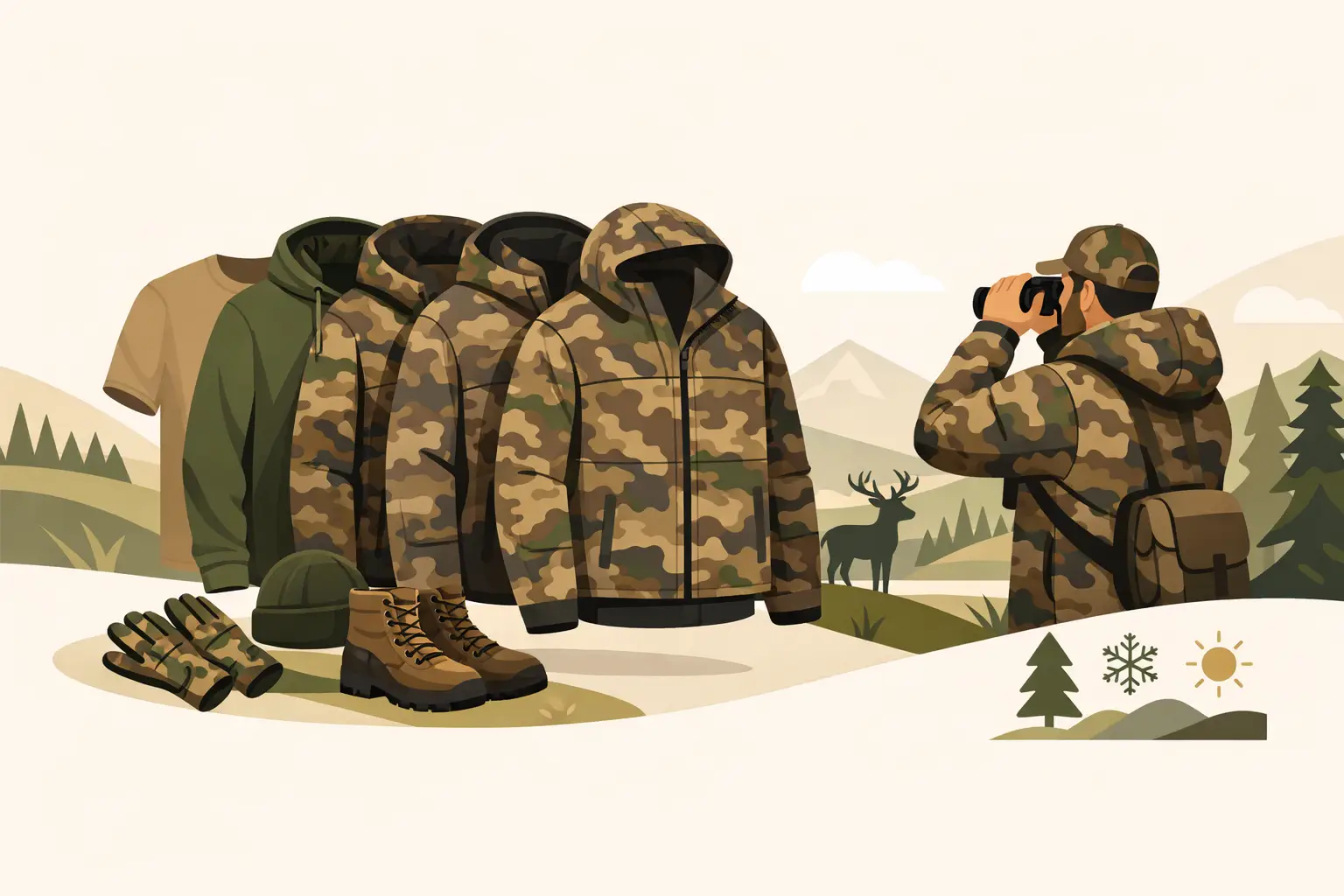
How to Layer Hunting Apparel the Right Way
The difference between a good hunt and a miserable one usually shows up before first light. You step out of the truck, the air bites harder than expected, and by the time you reach your stand, you’re already sweating under gear that felt right five minutes ago. That is exactly why serious hunters learn how to layer hunting apparel instead of just piling on heavy clothes and hoping for the best.
Layering is not about wearing more. It is about wearing the right pieces in the right order so your body can handle cold mornings, warm hikes, wind, damp timber, and long hours of sitting still. If you get it right, you stay comfortable, quieter, and more focused when the moment finally comes.
Why how to layer hunting apparel matters in the field
A lot of hunters make the same mistake. They dress for the temperature at the truck, not for the work ahead. If your walk in is steep or long, heavy outerwear can turn into a sweat box fast. Then you slow down, sit still, and that dampness starts pulling heat out of your body.
Good layering fixes that problem. It helps you manage moisture, hold warmth, and adjust without carrying your whole closet into the woods. It also matters for safety. Cold, wet hunters lose focus, move more than they should, and call it early when they should still be in the game.
There is no single setup that works for every hunt. Early bow season in the South is not late rifle season in the Midwest. A treestand sit calls for different choices than spot-and-stalk hunting in rough country. The point is to build a system, not chase one magic jacket.
Start with a base layer that manages sweat
Your base layer sits against your skin, and that makes it the foundation of everything else. Its job is simple – pull sweat away from your body and help regulate temperature.
Cotton is the wrong call here. It holds moisture, dries slowly, and feels even colder once the temperature drops. For hunting, merino wool and quality synthetics are better choices. Merino is quieter, naturally odor-resistant, and comfortable across a wider range of temperatures. Synthetics often dry faster and can be tougher on hard-use hunts.
If you run hot on the hike in, go lighter than you think. A lightweight base layer is often enough to start cold but finish right. That sounds backward to new hunters, but it works. Feeling a little cool at the truck beats arriving at your stand damp and overheated.
Add a mid layer for warmth, not bulk
The mid layer is where insulation comes in. This piece traps body heat and gives you the warmth your base layer cannot provide on its own.
For active hunts, a lighter fleece or grid-style layer usually makes more sense than a bulky insulated piece. It breathes better and keeps you from overheating on climbs or long walks. For slower hunts or cold sits, a heavier fleece, puffy vest, or insulated jacket can earn its place.
This is where a lot of people overdo it. Bulk is not the same as warmth, and bulky gear can restrict your draw, slow your shoulder mount, or create extra noise when you move. The best mid layer feels like part of your system, not like a sleeping bag with sleeves.
Your outer layer should block weather without costing you the hunt
If the base layer handles moisture and the mid layer holds heat, the outer layer protects the whole system from wind, light rain, brush, and snow. But not every shell belongs on every hunt.
For dry, cold conditions, a quiet soft-shell style jacket can be a strong choice because it cuts some wind without the stiff, noisy feel of many rain shells. For wet weather, you may need a true waterproof layer, but there is a trade-off. Fully waterproof gear can trap heat and make noise, especially when temperatures are mild and movement is constant.
That means your outer layer depends on the hunt. If you are bowhunting from a stand, quiet fabric matters more. If you are crossing open country in sleet, weather protection takes the lead. The right answer is usually the one that matches your conditions, not the one with the most features.
How to layer hunting apparel for different hunt styles
The best layering system changes with your pace. Hunters who cover ground need breathable pieces and easy adjustments. Hunters who sit still need more insulation and better wind protection.
For treestand and blind hunting
Start light for the walk in. Wear a moisture-managing base layer and a lighter mid layer, then carry your heavier insulation until you reach your spot. Once you settle in and your heart rate comes down, add the outer insulated pieces.
This approach keeps sweat down and gives you better warmth once you stop moving. It also helps with comfort on long sits, which matters more than many people admit. If you are fidgeting because you are cold, you are moving when you should be still.
For spot-and-stalk or mountain hunting
Breathability matters more here. You will likely live in a lighter base layer and an active mid layer for much of the hunt, adding a shell when the wind picks up or the weather turns. Packable insulation is valuable because it gives you warmth during glassing or breaks without forcing you to wear it all day.
Mobility matters too. Your gear should move with you, not fight you. If a jacket rides up under a pack or bunches while climbing, it is not helping.
For cold-weather rifle season
Late-season hunts call for a different mindset. The danger is not usually overheating all day. It is staying warm for hours when the temperature drops and the wind starts working through your clothes.
That is where a heavier insulating layer earns its keep. Start with a solid base, add dependable mid-layer warmth, and top it with an outer layer that blocks wind well. Hands, feet, and head matter just as much as your torso here, so do not build a smart torso system and ignore the rest.
Pay attention to fit, noise, and scent control
A layering system can look good on paper and still fail in the field if the fit is wrong. Layers need enough room to work together without squeezing the insulation flat. If everything fits skin-tight once stacked up, you lose warmth and comfort.
Noise matters too. Stiff fabric, rubbing sleeves, and loud zippers can cost you when game is close. This is one reason many experienced hunters choose quieter materials whenever conditions allow. It is also why you should test your setup before opening morning. Draw your bow. Shoulder your rifle. Sit down. Stand up. Twist at the waist. If it sounds like crumpling a potato chip bag, change something.
Scent control gets a lot of attention, but no clothing system replaces woodsmanship. Clean gear helps. Smart layering that reduces sweating helps even more. If your clothing keeps you dry and comfortable, you are already doing part of the job.
Common mistakes hunters make when layering
The biggest mistake is overdressing too early. Hunters want to feel warm right away, so they load up at the truck and pay for it on the walk in. The second mistake is leaning on one heavy jacket instead of building a system. That heavy coat may feel great standing still, but it rarely handles changing conditions well.
Another common problem is forgetting about the lower half. Your legs need a layering strategy too, especially in cold weather. Lightweight base bottoms, quiet pants, and weather protection when needed make a real difference on long hunts.
Last, do not ignore the small pieces. A hat, neck gaiter, gloves, and quality socks can fix problems that a bigger jacket never will. Sometimes the difference between comfortable and miserable comes down to cold fingers or damp feet, not your core layers.
Build a system you will actually use
The smartest setup is one you understand well enough to adjust without thinking. You do not need a giant pile of gear. You need a few dependable pieces that work together across the hunts you actually do.
Think in terms of jobs. One layer moves moisture. One layer adds warmth. One layer protects from the weather. Once you start looking at your gear that way, it gets easier to pack smart, dress smart, and hunt longer. That same practical mindset is part of what outdoorsmen appreciate about brands like HoodyTee – gear and apparel should feel true to the life you live, not built for show.
When the temperature changes, the wind shifts, or the hike turns harder than planned, the hunters who stay ready are usually the ones who dressed with intention. Get your layering right, and you give yourself one less reason to cut the day short.


One Comment