What to Wear Fishing Trip Days
The wrong shirt can ruin a good morning on the water faster than a bad cast. If you’re wondering what to wear fishing trip plans really call for, the answer is simple: dress for sun, wind, water, and a long day outside – not for how things look in the driveway.
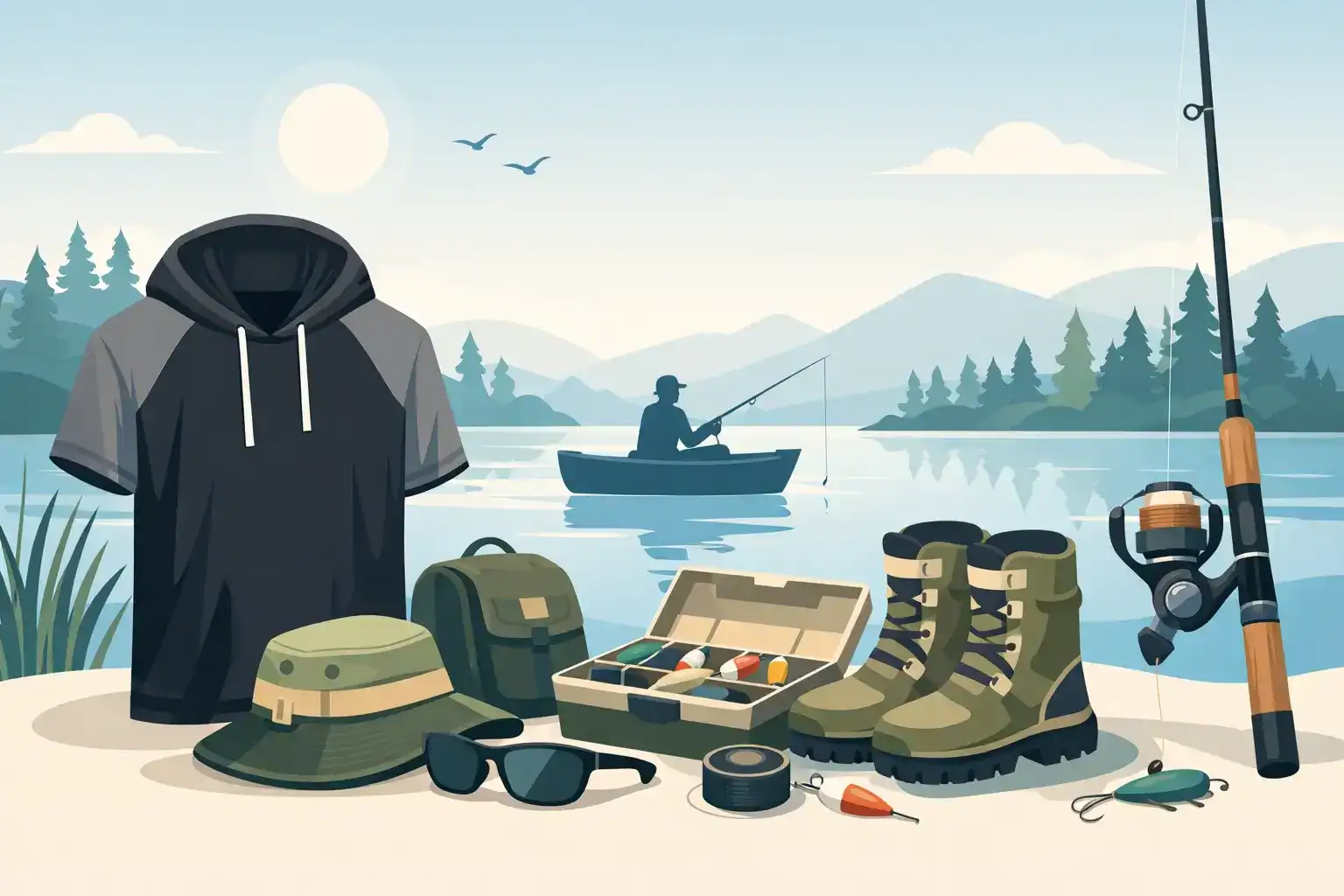
Fishing gear should work hard, feel comfortable, and hold up from first light to the ride home. Whether you’re bank fishing with family, heading out on a bass boat with buddies, or chasing trout in moving water, what you wear matters more than most folks think. Good clothing keeps you dry, protects your skin, and lets you focus on the kind of day that reminds you why you love being out there in the first place.
What to wear fishing trip mornings really depend on
A fishing trip in Florida and a fishing trip in Montana are two different worlds. Even within the same state, conditions can shift fast. Cool dawn air can turn into hot midday sun, and a calm launch can become a windy ride back.
That’s why the best approach is layers. Not bulky layers that make it hard to move, but smart ones you can add or peel off as the day changes. The goal is to stay comfortable without ending up sweaty, chilled, or sunburned.
Think about three things before you get dressed: temperature, water exposure, and how active you’ll be. Sitting in a boat all morning calls for a different setup than hiking into a creek or climbing around river rocks.
Start with a solid base layer
Your first layer should keep you comfortable against your skin. In warm weather, that usually means a lightweight performance tee or long-sleeve shirt that dries fast and breathes well. Cotton can feel fine at first, but once it gets wet with sweat or spray, it stays wet longer and can make you feel heavy and sticky.
In cooler weather, a moisture-wicking base layer earns its keep. It helps hold warmth without trapping sweat. That matters more than people realize, especially when a chilly breeze hits after sunrise.
If you like a classic outdoors look, a comfortable graphic tee can still fit into the day, especially for shore fishing, dock fishing, or laid-back summer trips. Just know that if the heat is strong or you’ll be exposed for hours, a lightweight long-sleeve performance shirt usually gives you more protection.
The best shirt for a fishing trip
For many anglers, the best answer to what to wear fishing trip outings call for is a long-sleeve performance shirt. It covers your arms, helps shield you from the sun, and can keep you cooler than a short-sleeve tee when the light is beating down all day.
That said, there’s always a trade-off. If you’re fishing in mild weather, moving around a lot, or only heading out for a couple hours, a short-sleeve shirt may be plenty. Comfort counts. If your shirt feels restrictive, too heavy, or too hot, it becomes a distraction.
Look for shirts that move with you. Casting, baiting hooks, handling fish, and reaching for tackle all call for easy range of motion. A shirt that rides up, binds in the shoulders, or clings when wet gets old fast.
Don’t overlook the outer layer
A lightweight hoodie, quarter-zip, or weather-resistant jacket can make a big difference on the water. Early mornings often start cool, especially when you’re riding in a boat. Even in warmer states, wind over open water can cut through a thin shirt faster than expected.
A good outer layer should be easy to pull on and easy to stash once the day warms up. You don’t want something so bulky that it gets in the way when you cast or net a fish. You want warmth without losing mobility.
This is where a rugged, comfortable hoodie earns respect. It’s practical, familiar, and easy to wear before sunrise, around camp, at the dock, or on the drive home. For a lot of folks, that kind of layer is part of the whole fishing lifestyle – not just a backup plan when the weather turns.
Pants, shorts, and what actually makes sense
The lower half of your outfit depends on where and how you’re fishing. In hot weather, quick-dry shorts can be a solid choice for boat days and casual bank fishing. They’re comfortable, simple, and easy to move in.
But shorts are not always the best call. If bugs are bad, brush is thick, or the sun is brutal, lightweight fishing pants often win. They give you more protection and can save your legs from a long day of exposure. If you’re wading, hiking to a spot, or climbing around muddy banks, pants can also help prevent scrapes and irritation.
Jeans are a mixed bag. They’re durable and fine for cool-weather bank fishing or short trips, but once they get wet, they get heavy and uncomfortable. If there’s a good chance of spray, rain, or stepping into water deeper than planned, quick-dry fabric is the smarter move.
Shoes can make or break the trip
A lot of people put all their focus on shirts and jackets, then head out in the wrong footwear. That’s a mistake. Slippery docks, muddy banks, wet boat decks, and uneven shorelines all test your footing.
For boat fishing, shoes with good grip and non-marking soles are usually the safest bet. For bank fishing, you may want something tougher with more support. If you’re wading shallow water or fishing rocky streams, the right water-friendly footwear matters even more.
Flip-flops work for some laid-back situations, but they’re not ideal for many fishing trips. Hooks, sharp rocks, sun exposure, and slick surfaces all make closed-toe shoes the better call more often than not.
Dry socks matter too, especially in cooler weather. Once your feet stay wet too long, the whole day feels harder.
Hats, buffs, and sun protection
One of the biggest mistakes on a fishing trip is dressing for temperature but not for sun. Hours on the water can hit harder than hours in the yard because light reflects off the surface and keeps coming.
A dependable hat is almost non-negotiable. A ball cap works well for many anglers, while a wide-brim option gives more full coverage. The right choice depends on your comfort, your style, and how much direct exposure you’re getting.
A neck gaiter or buff can help protect your face and neck without much hassle. Some people love them. Some find them annoying in extreme heat. That’s one of those it-depends pieces of gear. If you burn easily or fish all day in open sun, it’s worth having.
Sunglasses matter too, and not just for comfort. They help cut glare and can make it easier to spot movement in the water. More importantly, they add a layer of eye protection around hooks and lines.
What to wear fishing trip style in each season
Spring fishing usually calls for layers. Mornings can be cold, afternoons can warm up fast, and rain is always lurking somewhere. A breathable base, a solid mid-layer, and a lightweight outer shell usually cover most situations.
Summer is all about sun protection and staying cool. Light colors, breathable fabrics, long sleeves, and a hat go a long way. You want coverage without feeling wrapped up.
Fall often brings some of the best fishing of the year, but the weather gets less forgiving. Start warmer than you think you need, especially if you’ll be on a boat at daylight. You can always remove a layer later.
Winter fishing is a different animal. Warmth matters, but staying dry matters just as much. Wet cold cuts through everything. If you’re fishing in true winter conditions, dress in moisture-wicking layers and top it off with something that blocks wind and weather.
Dress for the trip, not just the photo
There’s nothing wrong with wanting to look like yourself out there. Fishing has always been about more than tackle. It’s early mornings, family stories, roadside coffee, camp chairs, and the kind of gear you trust because it feels right every time you wear it.
But the best outfit is still the one that lets you stay out longer. That means breathable fabric when it’s hot, warm layers when it’s cold, grip when it’s slick, and coverage when the sun is relentless. If your clothes support the day instead of fighting it, you’re set.
For a lot of outdoors folks, that balance is the sweet spot – gear that feels like home and works when the conditions stop being easy. That’s the lane HoodyTee lives in too: comfortable apparel built for people who don’t just wear the outdoors, they represent it.
Before your next trip, lay everything out the night before and be honest about the conditions. Pack one more layer than you think you need, wear better shoes than you first planned, and respect the sun. A good fishing day starts long before the first cast.