American Made Hoodie Review: Worth It?
Cold mornings tell the truth fast. If a hoodie loses shape after a few washes, feels stiff in the shoulders, or quits holding warmth by midseason, you know it was built for a quick sale – not real life. That is exactly why an american made hoodie review matters. For folks who care where their gear comes from, what it stands for, and how it holds up through work, weekends, campfires, and early deer stand mornings, the label means something.
What an american made hoodie review should actually cover
A lot of reviews stop at first impressions. They talk about the color, say it feels soft, and call it a day. That does not help much if you are looking for a hoodie you will wear hard from fall through spring.
A useful review needs to look at four things that matter in the real world – fabric weight, fit, durability, and overall value. If a hoodie is made in America but shrinks badly, pills fast, or fits like a box, the country of origin alone does not save it. On the other hand, when a hoodie is built well, wears comfortably, and reflects the kind of values you actually live by, you are getting more than another layer in the closet.
That is the trade-off people should be honest about. American-made apparel often costs more upfront. The question is whether you are getting enough quality, comfort, and meaning back to justify that higher price.
Comfort first, because a hoodie gets worn for everything
The best hoodies are the ones you stop thinking about once you put them on. They move with you, sit right across the shoulders, and feel broken-in without feeling flimsy. In any american made hoodie review, comfort should be the first real test because this is everyday gear. You wear it to grab coffee, stack firewood, head to the lake, or watch a Friday night game. If it only feels good standing still in a dressing room, it is not much of a hoodie.
Most quality American-made hoodies lean into heavier fabrics than bargain options. That usually means better warmth and a more substantial feel, but it can also mean a little extra bulk. Some people want that old-school, heavyweight build. Others prefer something lighter they can wear inside without overheating. Neither is wrong. It depends on whether your hoodie is pulling duty as an outer layer or more of an all-day staple.
The inside finish matters too. A brushed fleece interior gives you that soft, warm feel right away, but not all fleece ages the same. Better hoodies keep that comfort after repeated washing. Cheaper ones start soft, then turn rough or matted before the season is over.
Fit can make or break the whole purchase
A hoodie can be made from great material and still miss the mark if the fit is off. This is where plenty of brands get lazy. They go too wide through the body, too short at the waist, or too tight in the forearms. A solid American-made hoodie should fit like something built for actual people, not just a spec sheet.
Most buyers want a fit that leaves room to move without looking oversized. That is especially true for people wearing a hoodie over a tee one day and under a jacket the next. If the shoulders are too narrow, layering feels restrictive. If the body is too loose, the hoodie loses shape fast and starts looking sloppy.
Sleeve length is another detail worth paying attention to. A good cuff should stay put without digging in. The waistband should hold shape too. When those points are weak, the hoodie starts sagging and looking tired long before the fabric itself wears out.
If you are shopping online, reviews become even more important here. Look for clues about whether the fit runs true to size, trim, or roomy. American-made does not guarantee consistency, but brands that care usually get this part right because they know repeat customers notice.
Durability is where the price starts to make sense
This is usually the strongest argument for buying American-made clothing. When a hoodie is sewn well, made from better fabric, and built with attention to the details, it tends to outlast the cheaper options stacked on discount tables every fall.
That starts with stitching. Seams should feel solid, not loose or uneven. A hood should keep its shape instead of collapsing into a thin flap after a few washes. Pockets should sit flat and stay attached even if you use them constantly. Those things sound basic, but they separate a hoodie made to last from one made to move fast.
Fabric recovery matters too. A dependable hoodie bounces back after wear. The elbows do not bag out right away. The cuffs do not turn limp after laundry day. The body should keep its shape instead of twisting or shrinking into a cropped mess.
That said, durability is not automatic just because something was made domestically. Some American-made hoodies are exceptional. Others are average with a patriotic label attached. That is why a real review should never treat country of origin like a free pass. It is part of the value, not the whole story.
Why buying American still means something
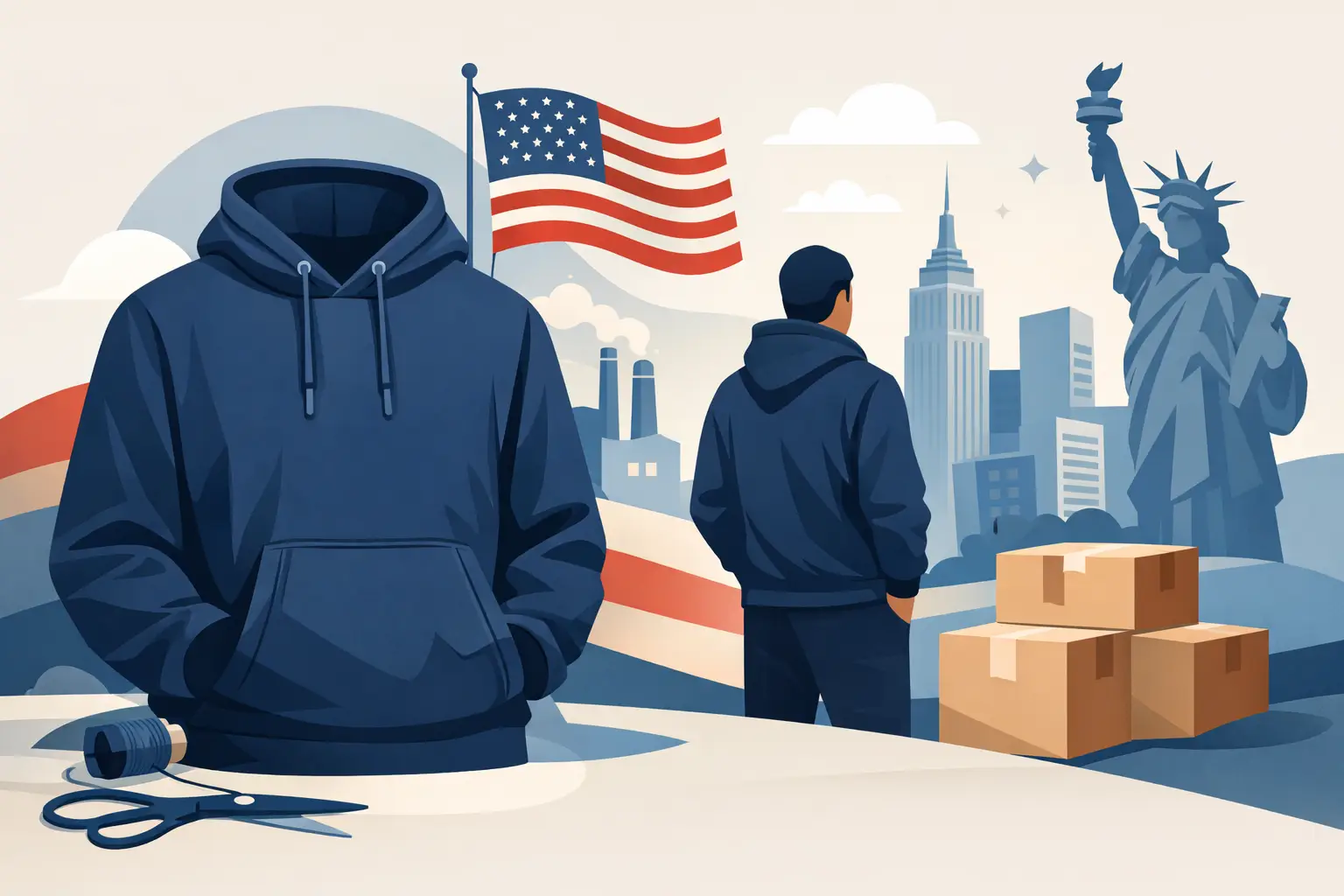
For a lot of people, this goes beyond fabric and fit. Buying American-made is about backing businesses that still believe in doing things close to home, supporting workers here, and making products with a little more pride behind them. That matters, especially when so much apparel feels disposable and disconnected from the people wearing it.
There is also something honest about gear that lines up with the way you live. If you care about country, community, hard work, family, and the outdoors, what you wear can reflect that without trying too hard. A good hoodie is practical. A great one also feels like it belongs to your life.
That is one reason brands like HoodyTee connect with folks who are not chasing trends. They want comfort, sure, but they also want apparel that says something true about who they are. Not loud for the sake of loud. Just clear, grounded, and real.
Where american made hoodies can fall short
Not every buyer will land in the same place, and that is worth saying plainly. Some American-made hoodies cost enough that expectations go way up. If the fit is only decent or the graphic work feels average, people notice fast. A higher price has to bring a better experience, not just a better story.
Color and style options can be more limited too. Smaller domestic production runs often mean fewer choices compared to big-box brands. For some customers, that is fine. They would rather have one solid hoodie than five forgettable ones. For others, especially if they like lightweight performance fabrics or fashion-forward cuts, American-made basics may feel a little traditional.
There is also the issue of availability. Limited drops and smaller inventories can be a plus if you like gear that feels more personal and less mass-produced. But if you wait too long, your size may be gone. That is good for uniqueness, less good if you wanted to replace a favorite in a hurry.
So, are they worth it?
In most cases, yes – if you buy with the right expectations. A strong American-made hoodie earns its keep through comfort, longevity, and a sense that it stands for something more than a logo. It should feel good on day one, still look right after plenty of wear, and fit the kind of life you actually live.
If your main goal is simply finding the cheapest possible layer for a few cold days a year, you may not care enough to spend the extra money. But if you wear hoodies constantly, notice quality, and prefer to support American businesses when you can, the added cost often feels justified over time.
The best mindset is to judge the hoodie as a hoodie first, then weigh the value of American-made production on top of that. You want both. Real comfort. Real durability. Real pride in where it came from.
A hoodie should do more than fill space in your closet. It should be the one you grab before sunrise, after a long day, and every time the weather turns just right. Buy the one that feels like it was made for your life, and you will not need a review to tell you you got it right.