American Made Shirts vs Imports
You can feel the difference pretty fast. Pick up two shirts that look similar on a screen, and once they’re in your hands, the gap between american made shirts vs imports starts to show in the fabric, the fit, and what the tag says about where your money went.
For a lot of folks, this isn’t just about thread count or price. It’s about whether a shirt stands for something. If you care about supporting American workers, buying from businesses that share your values, and wearing gear that feels right for everyday life, country roads, campfires, ball games, and long weekends with family, then where that shirt is made matters.
American made shirts vs imports: what really changes?
The biggest difference is not that one side is always perfect and the other is always cheap. That would be too simple. The real difference usually comes down to standards, consistency, labor costs, sourcing, and what the brand is trying to deliver.
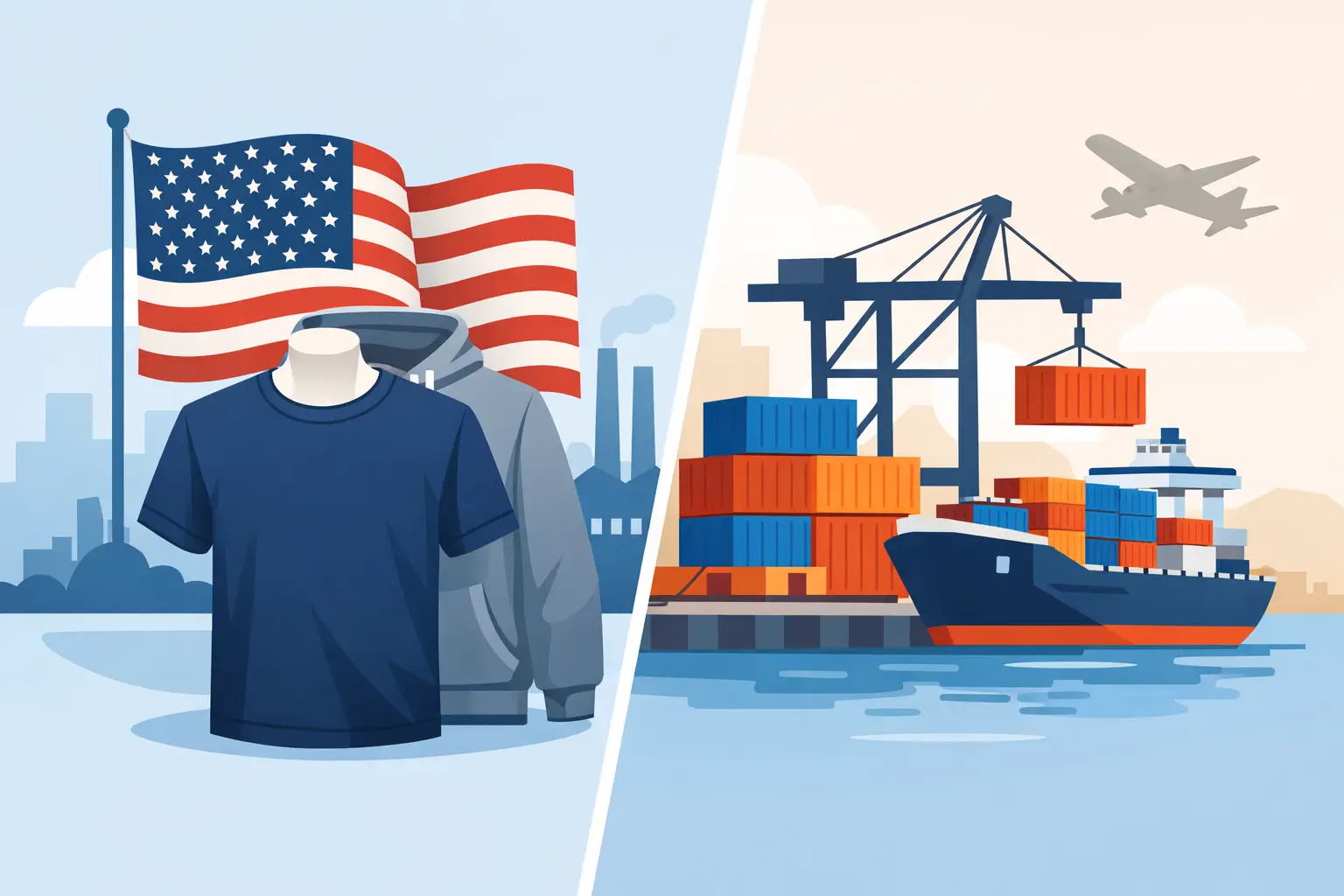
American-made shirts often cost more because labor, regulation, and production costs are higher here at home. That higher price can support better oversight, smaller production runs, and a closer connection between the brand and the people making the product. In many cases, that means more consistency and better accountability when something goes wrong.
Imported shirts cover a wide range. Some are made well. Some are made to hit the lowest possible price point. That’s the trade-off. When production is pushed overseas, brands can save money, but the customer may see more variation in fabric weight, stitching, sizing, and long-term wear.
That does not mean every import is bad or every American-made shirt is automatically better. It means you have to look at the full picture instead of assuming the label tells the whole story.
Why people choose American-made in the first place
For many buyers, the decision is personal before it is practical. Buying American-made can feel like backing the kind of country you want to live in – one where work still matters, small businesses still matter, and your dollars stay closer to home.
That matters in communities where people still believe in earning it, building it, and taking pride in what they wear. A shirt may seem like a small purchase, but multiply that by thousands of orders, and it becomes real support for jobs, mills, printers, warehouses, and families.
There is also the trust factor. When a brand makes domestically, it is often easier to trace production and keep a tighter handle on quality. For shoppers who are tired of disposable clothing, that counts for a lot.
Quality is more than a slogan
When people talk about shirt quality, they usually mean softness first. That makes sense. Comfort matters. But real quality goes deeper than how a shirt feels the day you open the package.
A good shirt should hold its shape after washing. The collar should not bacon out after a few cycles. Side seams should stay straight. The print should not crack too early. The fabric should feel substantial without being stiff.
That is one area where American-made shirts often earn their reputation. Brands producing domestically are more likely to build around better blanks, tighter quality checks, and smaller-batch production. They cannot always compete on bargain pricing, so they have to compete on feel, fit, and durability.
Imported shirts can still be soft and comfortable. In fact, many are. But softness alone can hide weaker construction. A shirt that feels great for two wears and loses its shape by month two is not really a value.
Price matters, and so does what you get for it
Let’s be honest. Price is part of this conversation. If you are comparing american made shirts vs imports, you will usually notice the gap right away.
Imported shirts are often cheaper because the system behind them is built for scale and lower labor costs. That can be helpful if you need basic tees at the lowest possible price. Not everyone wants to spend more, and not every shirt needs to become a statement purchase.
But cheap can get expensive if you keep replacing what shrinks, twists, fades, or falls apart. A better-made shirt that keeps its fit and comfort longer may cost more up front and still be the smarter buy over time.
It also depends on why you are buying. If you want a throwaway event tee, the lowest price might win. If you want something you’ll wear on repeat because it says something about who you are and what you stand for, quality and origin carry more weight.
Values show up in the tag
Some purchases are just purchases. Others say something.
That is especially true with apparel tied to patriotism, family, military support, the outdoors, and American identity. If a shirt carries a bold message about country pride, buyers naturally want the product to line up with that message. There is a reason people look twice at a patriotic design printed on a shirt made halfway around the world.
That disconnect does not sit right with everyone. For some, it is no issue. For others, it is the whole issue.
When a shirt is made here, the message feels more complete. The product and the principle match. That kind of alignment matters to people who do not wear clothing just to fill a drawer. They wear it to represent where they come from, what they believe, and who they stand beside.
Fit, fabric, and consistency
One frustration with imports is inconsistency. You buy one shirt you love, order another in a different color, and suddenly the fit changes. The sleeve length is off. The fabric feels thinner. The cut sits different across the shoulders.
That can happen anywhere, but it tends to show up more often when production runs are spread across different factories and suppliers. Imported supply chains can be more complex, which makes consistency harder to maintain.
American-made operations are often smaller and more controlled. That does not guarantee perfection, but it can lead to fewer surprises. For shoppers who find a fit they like and want to stick with it, that reliability is worth paying for.
Fabric also deserves attention. Not all cotton is equal. Not all blends perform the same. Some imported shirts use lighter, lower-cost materials to keep margins high. Others use excellent fabrics. Again, it depends on the brand. The lesson is simple: country of origin matters, but standards matter too.
When imports make sense
There are fair reasons a brand may use imported blanks or overseas production. Some need lower costs to stay competitive. Some rely on fabric sources or specialty manufacturing not easily available in the US. Some balance imported construction with domestic design, printing, and fulfillment.
For the customer, imports can make sense when budget is the top priority or when the brand has proven it still delivers solid quality and honest value. There is no point pretending every import is junk. That is not true.
What matters is transparency. If a brand is clear about where products come from and why, shoppers can decide whether the trade-off works for them.
How to judge a shirt beyond the label
The smartest way to compare is to go past the marketing. Look at fabric weight, fiber content, print quality, shrinkage risk, and whether the brand is known for consistency. Read reviews for real comments on fit after washing, not just first impressions out of the bag.
Ask yourself what matters most. Is it supporting American jobs? Is it getting the best possible price? Is it finding a shirt that feels broken-in from day one? Is it making sure the product matches the message on the front?
Those answers will guide the right choice better than any blanket claim.
For brands built around identity and pride, this is where the difference gets real. A shirt should wear easy, hold up, and mean something. That is part of why brands like HoodyTee connect with people who want more than a generic tee. They want comfort, yes, but they also want to represent the life they actually live.
So which should you buy?
If your top priority is cost alone, imports will usually give you more options. If your top priorities are values, accountability, and often better consistency, American-made shirts have a strong case.
Most people are not choosing between good and bad. They are choosing between priorities. Lower price versus closer-to-home production. Fast fashion convenience versus long-term trust. A shirt that simply fills a need versus one that reflects your standards.
That is the heart of american made shirts vs imports. It is not just about where a shirt comes from. It is about what you are willing to pay for, what you expect it to do, and whether the product in your hand lines up with the life you believe in.
If a shirt is going to say something about you before you even speak, it ought to be one you can feel good about wearing.